

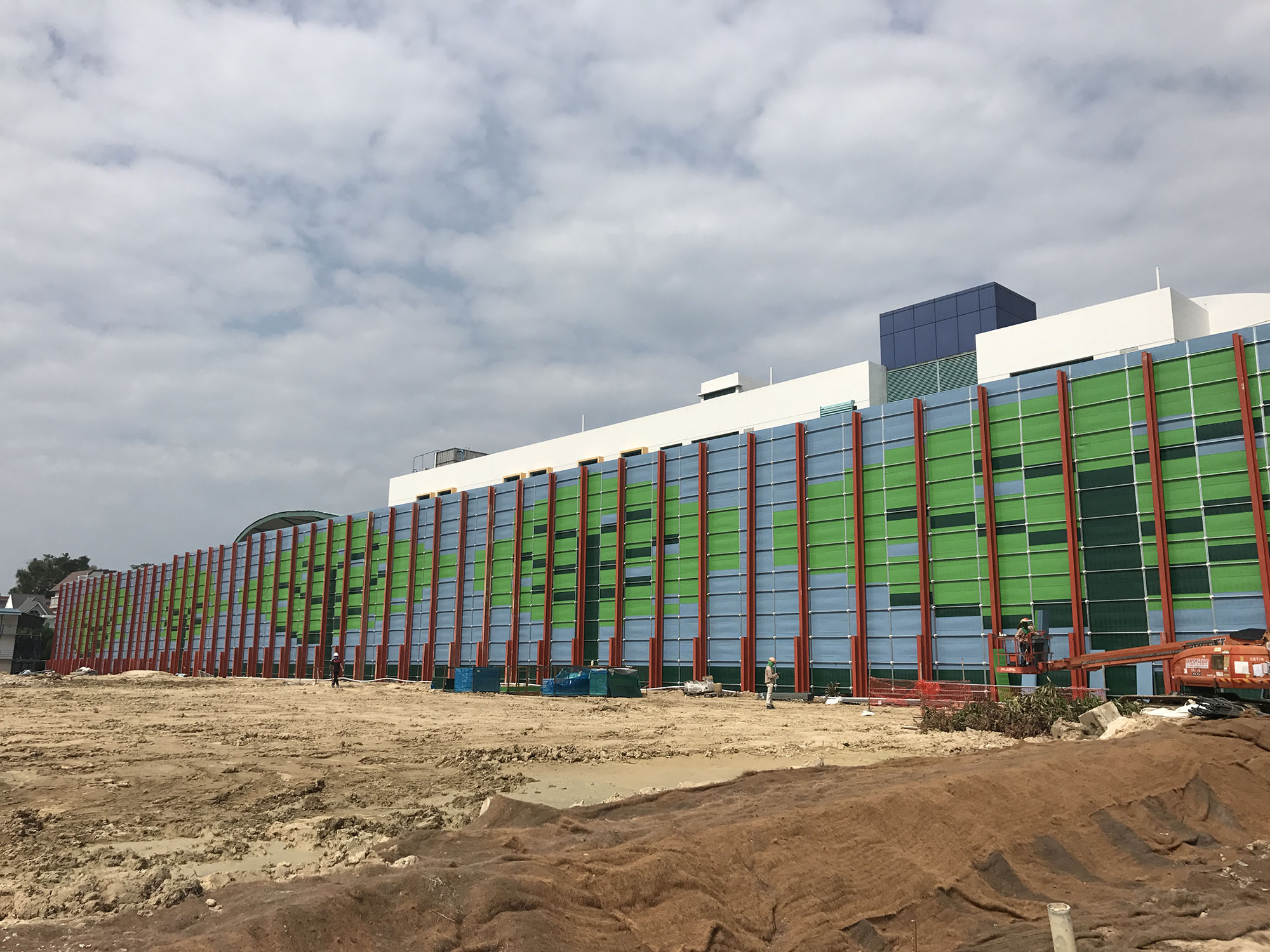
Anyone who has ever lived near a construction site knows how quickly noise can wear on your patience. The steady thud of pile drivers, the hum of machinery, and the occasional drilling that seems to go on forever can easily disrupt daily routines. For developers in Singapore, this challenge isn’t new, but the way they’re handling it today is changing the game.
In a city as compact and constantly evolving as Singapore, it’s impossible to separate development from daily life. Most projects are surrounded by homes, schools, offices, or hospitals. That means the pressure is on developers to complete work efficiently without disturbing the people who live or work nearby.
The Realities of Building in a Dense City
Singapore’s urban landscape leaves little room for error. Every sound carries, every vibration is felt, and every complaint can slow down a project. The National Environment Agency (NEA) has strict regulations on construction noise, setting different permissible levels depending on the zone and time of day.
Developers who ignore these regulations risk not only penalties but also strained relationships with the community. And in a city where developers rely on reputation as much as technical skill, that’s something you don’t want to compromise.
So, what’s the solution? Forward-thinking builders have started adopting smarter, more adaptable approaches to noise control. One of the most effective tools to emerge in recent years is the sound barriers in Singapore that contractors have increasingly come to rely on.
Why Sound Barriers Are Changing the Way Projects Operate
Sound barriers may not look like much at first glance, but they make a significant difference on-site. Unlike traditional metal hoarding that simply blocks the view, modern barriers are made with acoustic materials designed to absorb and deflect sound.
These barriers work by breaking up sound waves before they travel beyond the construction boundary. The result is less noise reaching residential areas, office spaces, and nearby businesses. For many project managers, this means fewer complaints, fewer visits from inspectors, and far fewer disruptions.
But there’s another reason these barriers are becoming the preferred choice across Singapore—they’re practical. Most sound barrier systems are modular and lightweight, meaning teams can install them quickly and reposition them as work zones shift. This flexibility is a huge advantage, especially on fast-paced projects where construction activities move from one side of the site to another.
Compliance Is Just the Beginning
Complying with NEA’s noise regulations is obviously non-negotiable. But many developers are taking things a step further by treating noise control as part of their brand identity.
Think about it this way: when residents near a work site don’t feel constantly disrupted, they’re less likely to complain and more likely to appreciate the professionalism behind the project. This kind of goodwill goes a long way. It helps companies maintain a positive public image, and in some cases, even strengthens relationships with local councils or stakeholders.
Developers have found that combining sound barrier installations with clear communication makes an enormous difference. Simple gestures like sending out letters before noisy work begins, adjusting schedules for exam periods near schools, or creating a hotline for feedback help demonstrate empathy. These efforts show that the company isn’t just building structures, but also building trust.
The Business Case for Smart Noise Control
There’s a misconception that investing in acoustic barriers or noise-controlled machinery adds unnecessary cost. In reality, it’s quite the opposite. Projects that suffer from repeated noise complaints often face temporary shutdowns or fines that cost far more than preventative measures.
On the other hand, adopting effective noise management solutions early on keeps projects on track, saves time, and preserves resources. Less downtime means better productivity, and better productivity always leads to stronger financial outcomes.
Even workers benefit from a calmer, better-controlled environment. Reduced noise helps with focus, lowers fatigue, and makes communication on-site easier. That directly improves safety and efficiency—two things every project manager prioritises.
Community Relations: The Hidden Advantage
A noise-mitigated site also sends a clear message: the team behind it values the community. In neighbourhoods where construction activity is common, residents can usually tell when a contractor is cutting corners. But they can also tell when a company genuinely tries to minimise disruption.
This perception matters. Developers who treat community comfort as part of their operational standard often find it easier to secure future projects. In Singapore’s competitive market, where bids can be won or lost based on reputation, that goodwill can become a real advantage.
The Future of Construction Noise Management in Singapore
Looking ahead, we can expect even more innovation in this space. Many sound barrier manufacturers are experimenting with eco-friendly materials, recyclable acoustic panels, and modular systems that can be reused across multiple projects. This shift not only supports sustainability goals but also aligns with Singapore’s broader vision of greener, more liveable urban spaces.
Some projects are even combining physical barriers with digital monitoring systems. These setups use sensors to measure sound levels in real time, alerting site managers the moment noise approaches regulatory limits. This proactive approach helps avoid violations and demonstrates transparency to regulators and the public.
Final Thoughts
Noise will always be a part of construction—but how it’s managed makes all the difference. Developers in Singapore are proving that progress doesn’t have to come at the expense of peace and comfort.
Investing in modern sound barrier solutions, planning with empathy, and maintaining open communication with surrounding communities, they’re showing that it’s possible to build smarter, faster, and more responsibly.
At the end of the day, keeping neighbourhoods happy isn’t just good PR. It’s good business, good ethics, and a reflection of how far the construction industry has evolved in a city that values both growth and quality of life.
