

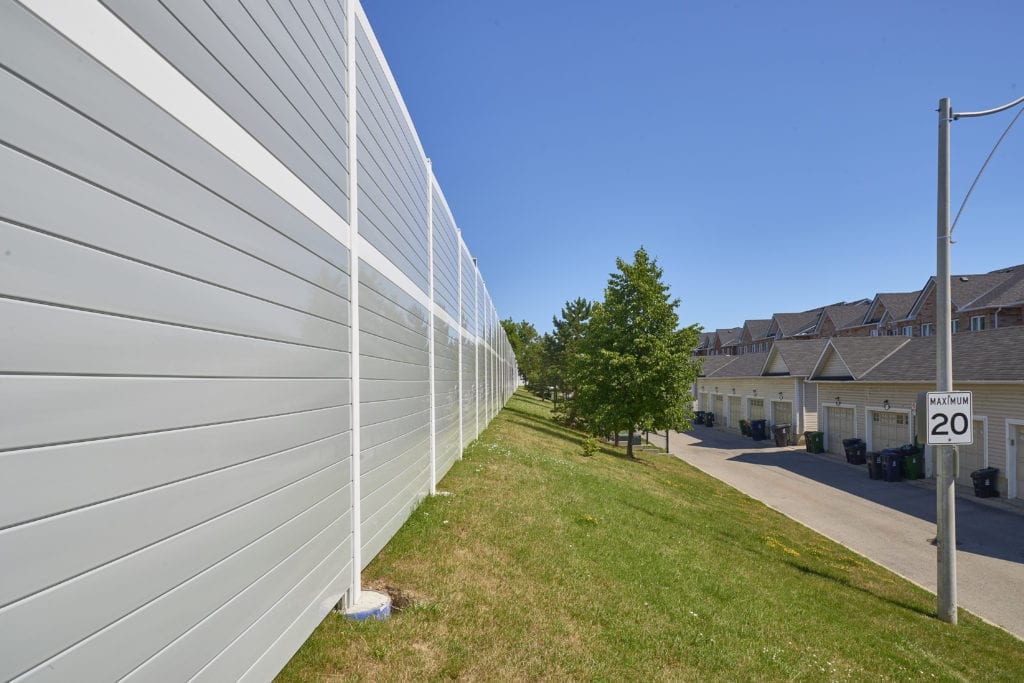
Singapore isn’t exactly the quietest place to live. With dense high-rises, constant roadworks, and traffic that doesn’t sleep, noise is just part of daily life. And in true pragmatic fashion, Singapore has responded by building noise barriers — lots of them.
Drive down any expressway or walk near major MRT construction, and you’ll see towering walls designed to shield residents from relentless sound. But here’s the question: Are these noise control solutions in Singapore really solving the problem, or are we just building our way around it?
Let’s unpack that.
Why Noise Pollution Matters in Singapore
First, it’s important to understand why this is a big deal.
According to the World Health Organization, prolonged exposure to high noise levels is harmful. It’s linked to stress, poor sleep, cardiovascular issues, and even reduced productivity. In an urban environment like Singapore, where the average person lives close to roads, construction, or neighbours, noise is unavoidable.
This isn’t just about convenience, it’s a public health issue.
What’s Being Done: The Rise of Noise Barriers
Singapore’s Land Transport Authority (LTA) and the National Environment Agency (NEA) have stepped up their game in recent years. Over 27km of land transport noise-absorbing barriers have been installed across the city, particularly along elevated MRT tracks and busy roads. Many new infrastructure projects now include noise mitigation features right from the design phase.
And to be fair, these barriers do work. When designed and positioned correctly, they can reduce noise by up to 10 decibels, which can make a noticeable difference for nearby residents.
But the catch? That effectiveness depends on a whole lot of “ifs” — if they’re tall enough, if they’re dense enough, if the noise source is direct, and if you’re not living on the 20th floor.
Are We Relying Too Much on the Wall?
Here’s where things get tricky.
While noise barriers are useful, they’re also expensive and static. They don’t reduce the source of the noise; they just try to stop it from reaching you. Think of it as putting a towel under a leaky door instead of fixing the pipe.
This raises a legitimate concern: Is Singapore leaning too heavily on this one solution while ignoring others?
Take, for example, a stretch of elevated MRT near a residential area. Noise barriers might help the first few floors, but upper-floor units? They’re still getting the full decibel dose. And even where barriers are effective, they don’t deal with noise from within, loud neighbours, air conditioning units, barking dogs,or renovation work.
In short, barriers can only go so far in a city that lives vertically.
What Else Can (and Should) Be Done?
Here’s the good news: Singapore has the resources and foresight to think bigger. If the country wants to get serious about noise, it’s time to diversify the playbook.
1. Better Urban Planning
Avoid placing homes, schools, and hospitals too close to expressways or industrial zones. Create green buffers like parks, trees, or man-made berms that naturally absorb sound. A little foresight goes a long way.
2. Acoustic Building Design
Developers should be required (or at least strongly encouraged) to use noise-reducing materials. It can be double-glazed windows, insulated walls, rooftop gardens, and acoustically smart layouts. This is especially critical in high-rise residential areas where external barriers fall short.
3. Low-Noise Infrastructure
We don’t have to accept noise as the cost of modernisation. Rubberised asphalt, quieter trains, electric buses, and improved construction technology can all reduce noise at the source — so there’s less to block in the first place.
4. Stronger Enforcement
The NEA already has noise regulations in place, particularly for construction and renovation works. But complaints still flood in. More frequent monitoring, real-time noise sensors, and meaningful penalties could push compliance much further.
5. Public Awareness and Behavioural Change
Noise pollution isn’t just a government issue — it’s a community one. Public campaigns can encourage residents to be more mindful: lower the TV at night, don’t start drilling at 8 a.m. on a Sunday, use quieter home appliances. It’s basic courtesy, but sometimes people need a reminder.
So, Is Singapore on the Right Track?
Let’s be honest: Singapore isn’t doing nothing. In fact, compared to many cities, it’s ahead of the curve. The country’s willingness to invest in infrastructure, implement regulations, and test new approaches is commendable.
But noise barriers should be seen as a starting point, not a comprehensive solution.
If Singapore continues to treat them as the default fix — instead of integrating a variety of smart, long-term noise solutions — we risk spending millions to treat symptoms while the real causes go unchecked.
Final Thoughts
So, is Singapore too dependent on noise barriers?
Maybe. But more importantly, the country is at a crossroads: double down on a single, limited solution or embrace a broader, smarter noise management strategy that tackles the problem at every level — from infrastructure to individual behaviour.
Because in the end, the goal isn’t just to block out sound.
It’s to build a city that sounds as liveable as it looks.
