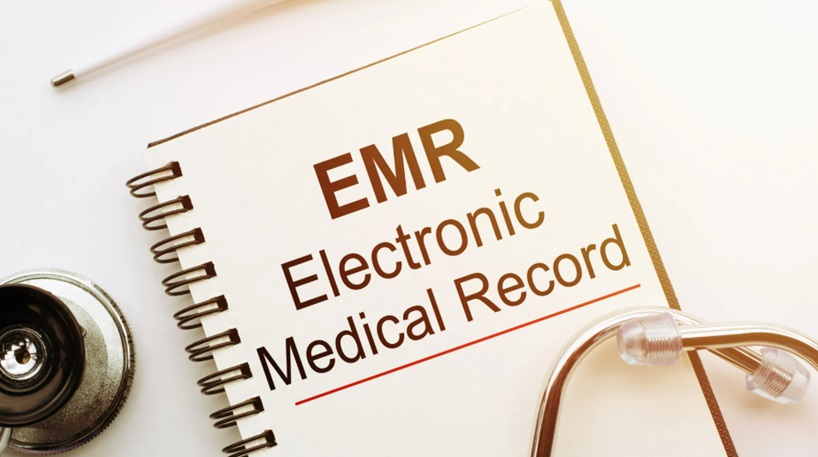
The integration of electronic medical records (EMR) has significantly transformed modern healthcare by improving patient outcomes and streamlining clinic operations. Leveraging EMR integration allows healthcare providers to access patient data quickly and securely, enabling better decision-making and offering a more personalized care experience. For clinics, this translates into enhanced workflows, reduced inefficiencies, and improved patient satisfaction. To fully harness these benefits, a well-planned and professional approach to implementation is crucial.
Understanding how a successful EMR integration impacts both patient outcomes and clinic efficiency sheds light on its importance in achieving the dual goals of improving care and optimizing operations.
How EMR Integration Enhances Patient Outcomes
The use of electronic medical records plays a pivotal role in elevating the quality of patient care. It ensures seamless sharing of vital health information, both within clinics and across care networks.
Improved Data Accessibility and Accuracy
EMR integration simplifies how patient medical histories are stored and retrieved. Clinicians gain instant access to comprehensive data ranging from past diagnoses to current medications. This accessibility supports informed decision-making, leading to more accurate and timely care interventions.
Beyond accessibility, EMR systems reduce the risk of human error associated with manual record-keeping. For example, prescriptions, dosage information, and lab results entered electronically minimize discrepancies, thereby preventing potential medical errors and ensuring patient safety.
Facilitating Personalized Care
With EMR systems, healthcare providers can tailor treatments to individual needs based on a complete view of patient history. From chronic disease management to preventative care plans, the integration ensures patients receive proactive rather than reactive care. This capability fosters better long-term health outcomes and strengthens patient-provider trust.
Boosting Clinic Efficiency Through EMR Integration
While patients undoubtedly benefit, clinics also gain remarkable operational efficiencies through EMR adoption.
Streamlined Workflow Management
One key advantage of EMR integration lies in its ability to streamline workflows. Administrative tasks such as appointment scheduling, billing, and documentation are automated, reducing the burden on staff. This enhanced workflow efficiency frees up time for healthcare professionals to focus on patient care.
Enhanced Communication and Collaboration
EMR integration improves internal communication between team members and facilitates cross-departmental collaboration. For instance, clinicians can instantly share patient updates with specialists, ensuring consistency in care delivery. Modern EMR platforms also enable remote consultations, which can enhance decision-making in a timely manner. Learning more about the role of EMR integration in promoting interoperability in healthcare reveals how these systems support broader industry progress in information sharing.
Optimizing Resource Allocation
By analyzing data captured in EMR systems, clinics can identify patterns and trends, which helps optimize resource allocation. For smaller clinics in particular, the ability to assess staffing needs, equipment usage, and operational bottlenecks is invaluable. This strategic insight ensures resources are used effectively, lowering operational costs while improving service delivery.
Key Considerations for Successful Integration
The benefits of this technology rely heavily on how effectively it is implemented. For example, addressing challenges such as staff training, software compatibility, and data migration ensures an effective transition. Striving for a successful EMR integration, healthcare providers should collaborate with professional service experts who can oversee technical implementation while guiding staff through the process. This proactive approach not only minimizes disruptions but also ensures long-term success.
Challenges and Future Developments in EMR Integration
Despite the proven benefits, EMR systems are not without challenges. For instance, interoperability obstacles, where systems are unable to communicate seamlessly, remain a significant hurdle. Additionally, ensuring cybersecurity measures are robust is essential to protect sensitive patient data from breaches.
Innovations such as artificial intelligence and machine learning are poised to further refine EMR functionalities. These technologies will enable predictive analytics, providing even deeper insights to improve patient care and operational efficiency.
Conclusion
EMR integration is revolutionizing healthcare by simultaneously improving patient outcomes and driving clinic efficiency. From better data accuracy and personalized care to streamlined workflows and optimized resources, the advantages are significant for both patients and providers. Healthcare organizations that invest in professional services to oversee implementation will unlock the full potential of this technology, delivering higher-quality care while running more efficient operations. By addressing current challenges, clinics can build a future-ready system that adapts to evolving healthcare demands.