

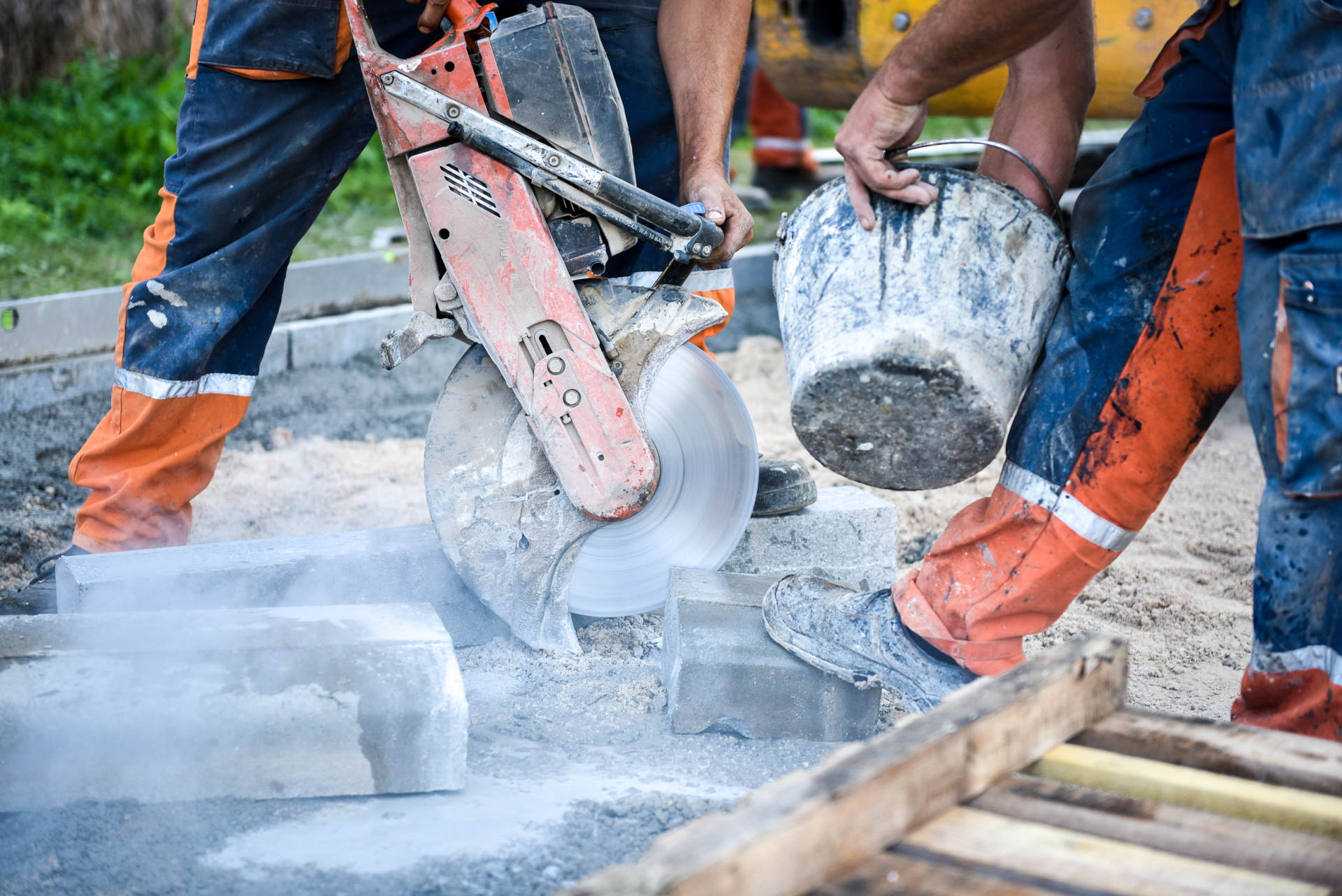
Silica dust is a hazardous substance commonly found in the construction, mining, and manufacturing industries. Inhalation of respirable silica dust can lead to severe health issues, including silicosis, lung cancer, and respiratory problems. Therefore, employers and workers must implement dust control techniques to minimize exposure. By implementing a combination of engineering and administrative controls, providing appropriate PPE, using effective BossTek dust suppression systems, and using good housekeeping practices, industries can effectively minimize the risk of silica dust exposure. Below, you will discover essential methods and strategies for controlling silica dust in industrial settings.
Engineering controls
Engineering controls involve modifying the workplace or processes to minimize the generation and dispersion of silica dust. Some effective engineering control measures include enclosures and barriers: Establishing physical enclosures or barriers around operations that generate silica dust can help contain the dust within a confined area, preventing its spread to other work areas. Another method is the use of local exhaust ventilation systems equipped with hoods and fans that can effectively capture and remove silica dust at the source, reducing its presence in the air. Also, consider employing wet suppression, such as using water sprays or misting systems, which can suppress dust by dampening the material and preventing it from becoming airborne.
Administrative controls
Administrative controls involve implementing policies, procedures, and training to minimize exposure to silica dust. Key administrative dust control measures include organizing work tasks to minimize the duration and frequency of activities that generate significant amounts of silica dust. Job rotation can also help reduce individual exposure to dust. Training and educating workers will ensure that you provide comprehensive training to workers on the health risks associated with silica dust, safe work practices, proper use of control measures, and personal protective equipment (PPE). Ensure that workers understand the importance of following protocols and know the potential hazards.
Personal protective equipment (PPE)
While engineering and administrative controls are the primary methods to control silica dust, PPE plays a vital role in protecting workers from exposure. For respiratory protection, provide workers with appropriate respiratory protective equipment, such as N95 respirators, which effectively filter out airborne silica dust particles. Ensure that workers are trained on the proper use, maintenance, and limitations of the respirators. Encourage workers to wear protective clothing, such as coveralls or suits, to prevent dust from settling on their clothing and skin, reducing the risk of indirect exposure.
Good housekeeping
Maintaining a clean and well-organized work environment is crucial for controlling silica dust. To ensure this, consider implementing practices like regular cleaning procedures to remove dust accumulations using vacuum systems equipped with HEPA filters or wet methods to prevent dust from becoming airborne again. Additionally, regularly inspect and maintain equipment to ensure efficient operation and minimize dust emissions.
Controlling silica dust in industrial environments is essential to safeguarding the health and well-being of workers. Having a proactive approach to controlling silica dust is crucial for maintaining a safe and healthy workplace. By prioritizing these methods, we can protect workers from respirable silica dust hazards and promote a safety culture in industrial settings.
